
Acton Fleet Sales Marks 35 Years With a New Partnership
One of the industry’s largest livery dealers is once again bicoastal as it celebrates a major milestone with Cadillac of Beverly Hills.

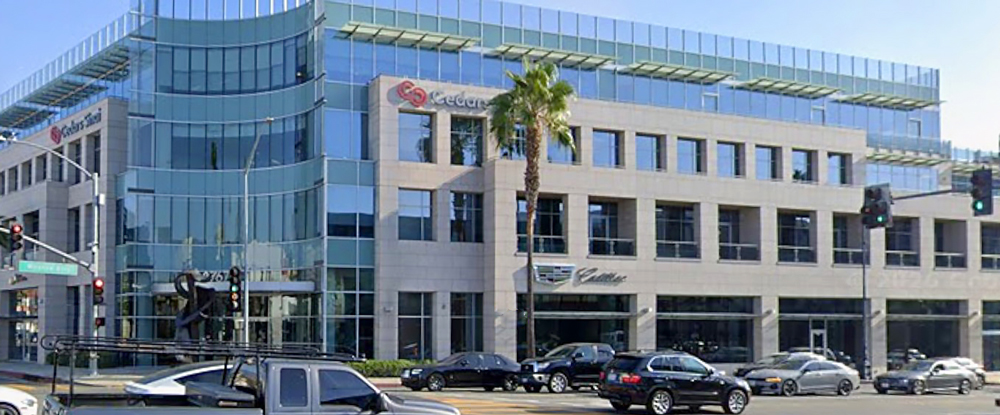
The partnership that has reestablished Acton Fleet Sales as a bicoastal operation came as more of a pleasant surprise than a carefully orchestrated business-development strategy. The Massachusetts-based company had been looking for a replacement West Coast partner for some time, but a number of possibilities had come and gone without quite fitting the bill. Then unexpectedly Acton had some vehicles in Los Angeles that required local assistance, and Cadillac of Beverly Hills stepped in to help. The LA-based dealership handled the situation with the kind of speed, creativity, and attention to the customer that Acton CEO Coleman Hoyt and President/General Manager Bill Cunningham say mirrored their own approach to customer service over the past few decades, and the two started wondering if perhaps they had found what they were looking for.
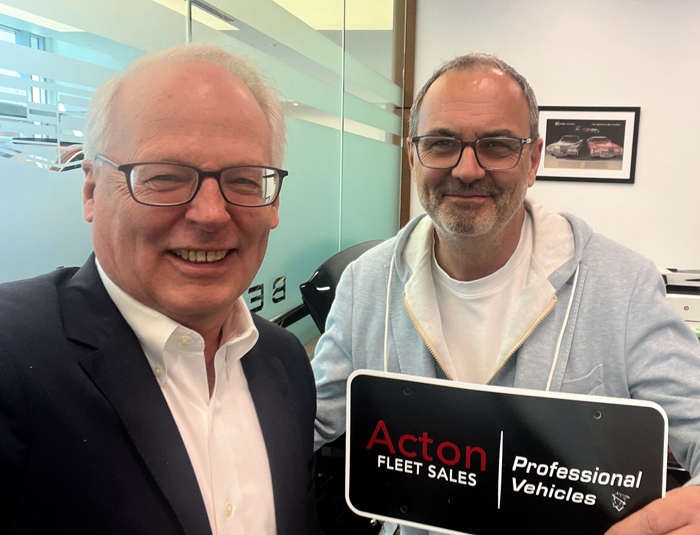
“We thought, wow, that could be quite an interesting organization to partner with as our West Coast affiliate,” Hoyt says. “They seemed very serious. They’re large scale, and they think big like we do. They have a very good philosophy about handling the customer.”
It certainly didn’t hurt that Cadillac of Beverly Hills was also preparing to open an enormous Cadillac service facility in Culver City, close to Los Angeles International Airport, with livery vehicle service expected to be a major component of the operation. For Acton, which has long served a substantial nationwide customer base from its East Coast home, the pieces began to fall into place.
The new Cadillac of Beverly Hills partnership is among the most significant developments for Acton as it celebrates its 35th anniversary, and it is one that Hoyt and Cunningham are understandably excited about. The more they talked, the more they saw that the symbiotic relationship between the coastal companies was only a plus for their mutual customers. Although the California location didn’t have the traditional livery experience, they came highly recommended by General Motors and were open to opportunity.
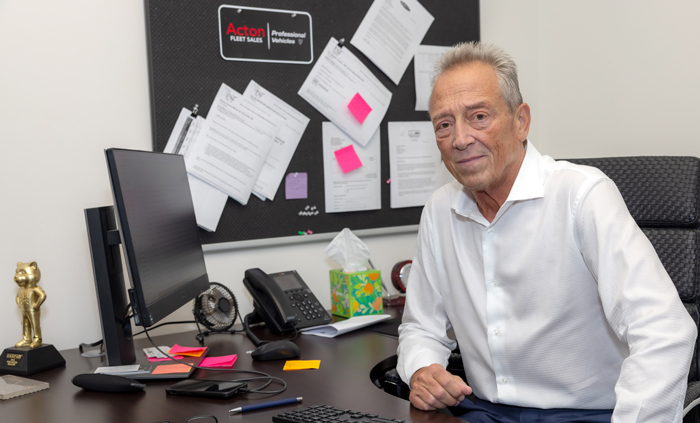
“We’re bringing fleet sales experience to them and they’re bringing a West Coast platform back to us,” Hoyt says. “So, it’s a very good balance.”
There is another practical reason the partnership matters to Acton’s customers: Shipping a vehicle from Boston across the country is no small expense these days, with costs escalating thanks to diesel prices and a narrowing circle of trusted shippers. Having inventory available in California means an operator can get the vehicle faster so that they are making money sooner. And that is really what Acton is thinking about as it works through the new arrangement - not just how to sell another fleet vehicle, but how to make the entire transaction work better for the operator.
“Our history is 35 years deep and we take a lot of time to make decisions so that we take the proper steps,” Cunningham says. “We put a lot of thought into the customer end of it. How are we going to handle this for the customer? If a problem presents itself, how do we resolve it?”
For now, the plan is to get the Cadillac partnership running smoothly, make sure the customers are happy, and then see where it leads. The next possibilities may include GMC inventory, and Beverly Hills owner Dan Broderick has indicated that his organization is committed to growing.
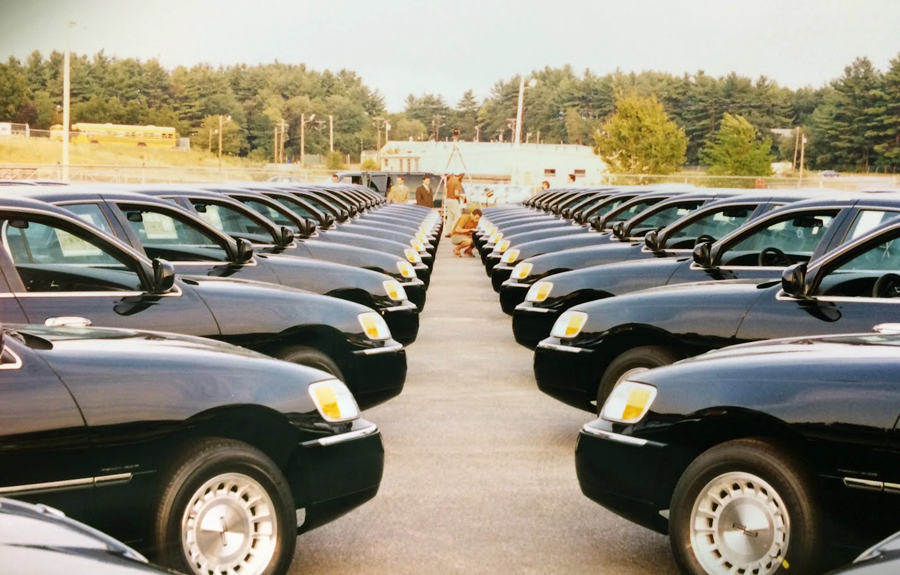
Over its 35-year history, the Acton team has never been particularly shy about trying something new. After all, this is a company that built its reputation selling the vehicles that dominated the chauffeured transportation and coachbuilding industries for decades. Back in the 1990s, when Acton Fleet Sales was more of a big idea - much to the chagrin of a frequently skeptical Hoyt - rather than the highly regarded industry partner it is today, Cunningham and his sales team weren’t afraid to try novel approaches to capture customer attention, whether it was parading through an industry show wearing a sandwich board or advocating for their customers after an OEM warranty claim was denied or a hard-to-get replacement engine was all but a lost cause.
When the Town Car’s run came to an end, Acton not only worked with the OEMs but also its customers to find suitable replacements and successfully navigated the transition to the SUVs that dominate the market today (with many creative vehicle solutions along the way).
Despite the considerable change in metal, Acton’s primary business philosophy has not wavered. The entire team understands that operators still need to know what they’re buying, require somebody to answer the phone when something is amiss, and must get back on the road as quickly as possible after something goes wrong. And it’s this type of urgency and candid honesty that may explain why Acton has customers who have been with the company for essentially its entire 35-year existence. That approach traces back to Hoyt’s dealership, Acton Lincoln Mercury, where Acton Fleet Sales was born and the place Cunningham says customer satisfaction - not commissions - was the guiding principle.
Cunningham says that Acton pays their personnel by salary rather than variable compensation and it enables their livery vehicle sales staff to focus on what’s in the customer’s best interest rather than “just scratching for another sale.”
“You know, it’s all about Bill,” Hoyt jokes about the long list of companies that have not only become lifelong customers but true friends. Commonwealth Worldwide and Dav El/BostonCoach are among Acton’s many longtime relationships, but they’re definitely cultivating new ones as the industry evolves and younger operators enter the space.
There is a similar sense of satisfaction in watching the next generation of operators grow into the business. While his established client base generally knows what it is looking for, Cunningham says the newer customers he’s met recently remind him of the early days of Acton, when customers needed guidance and practical advice. He says several have expressed gratitude for the considerable amount of time he spends talking with them—even at industry shows when plenty of other people are vying for his attention. The company has embraced digital commerce and modern inventory tools, but it has not abandoned the human part of the transaction.
That combination of old and new is also evident inside the company. Acton has longtime employees such as Controller Brian Wall and Sales Director Mark Schelfhaudt, both of whom have been there since the early 1990s and, according to Hoyt and Cunningham, have become indispensable parts of the business. There is also a younger sales team that includes Henry Heinlein, who has been with Acton for about six years, and Julia Bellantoni, who joined just this year after working in digital e-commerce for the Herb Chambers family of dealers across New England. Cunningham says he is especially happy with how Heinlein has grown into his role by taking on additional responsibilities and handling them “like a 25-year veteran.”
Bellantoni, meanwhile, has brought another dimension to the small, nimble team. Hoyt and Cunningham say they imagine Heinlein and Bellantoni eventually running much more of the operation while the founders move into an advisory role. But don’t worry; they are in no particular hurry to make that happen.
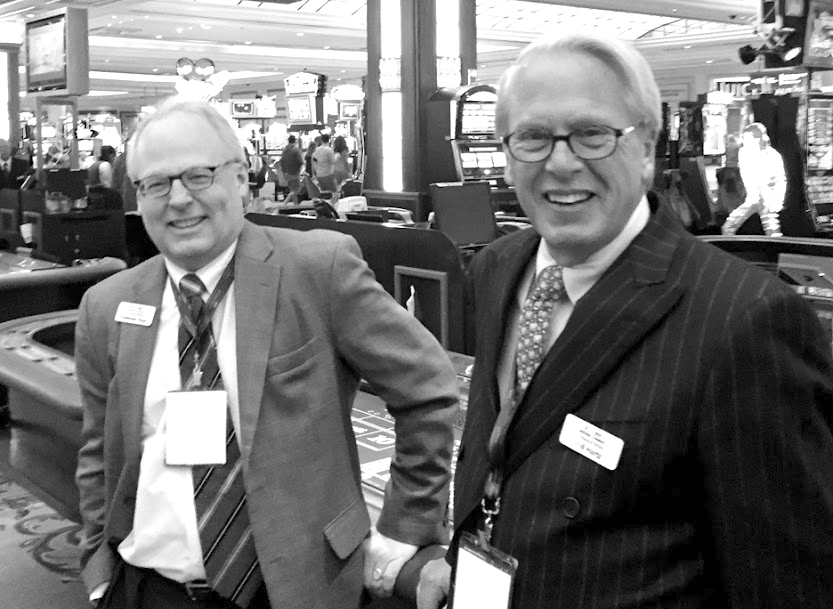
“We’re not going anywhere,” Cunningham says, adding that even on the most challenging of days he still enjoys working with the industry and the OEMs. Acton has long seen its role as extending beyond selling vehicles, serving instead as an advocate and problem-solver for operators long after the paperwork is complete.
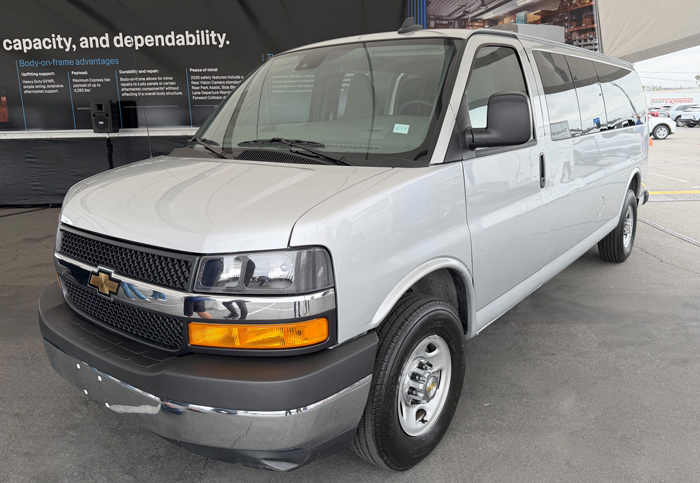
There are other changes underway, too, including a new vehicle that is decidedly different from the luxury SUVs most people associate with luxury transportation. The company recently announced that it will carry the Chevrolet Express LT 12-passenger van, which commands a sub $50,000 price and can be outfitted with aftermarket leather, making it an appealing option for operators who need a practical vehicle for applications such as flight-crew transportation or other utilitarian moves.
“Not everybody needs a vehicle that’s for fancy transportation,” Cunningham points out, adding that the Cadillac Escalade and the Chevrolet Suburban are among Acton’s top-selling models of late. With a dearth of sedan offerings, SUVs are still dominating fleets across the country, but the Express van could be a bridge.
Earlier this year, Acton also announced that it would offer a guaranteed repurchase price for any Chevrolet Suburban purchased from the dealer, at the two-year mark and up to 80,000 miles. This incentive program allows owners to lock in their future trade-in value at the time of purchase, effectively removing the volatility of the used vehicle market from their balance sheets.
The bigger question hanging over the industry, of course, is what comes next. Acton is seeing operators experiment with electric vehicles, but most are still doing so on a small scale, perhaps adding one or two to test the waters. The demand varies by market, too—and it’s no surprise that Southern California has the most adopters. While Hoyt sees the value that EVs can offer operators, he knows that the next dominant vehicle will ultimately be determined by what the OEMs will offer to the broader automotive marketplace, not necessarily what the chauffeured transportation industry has on its wish list.
Thirty-five years is a long time to spend building a business together, and Hoyt and Cunningham still approach it with the same easy rapport that has carried them through decades of industry change. For now, the Acton team has plenty to keep them occupied with a new West Coast partnership to refine, a commercial van line to develop, a younger team to mentor, and plenty of operators still calling when they need something figured out.


